

Why I do photography
besides it being easy

Photography is the one easy thing I do. Not every picture is easy — some take many attempts over months or years to get right — but most are right there waiting for me. Taking pictures is my way of appreciating subtle beauty. I have trained my eye to be sensitive to light, color, contrast, compositional elements, interesting things…beauty.
Note, this has not been professionally proofread and will likely have typing errors.
Speaking of which. What I love about taking pictures is that they cannot be “right” or “wrong” like writing can. A picture is a picture; you like it or you don’t.
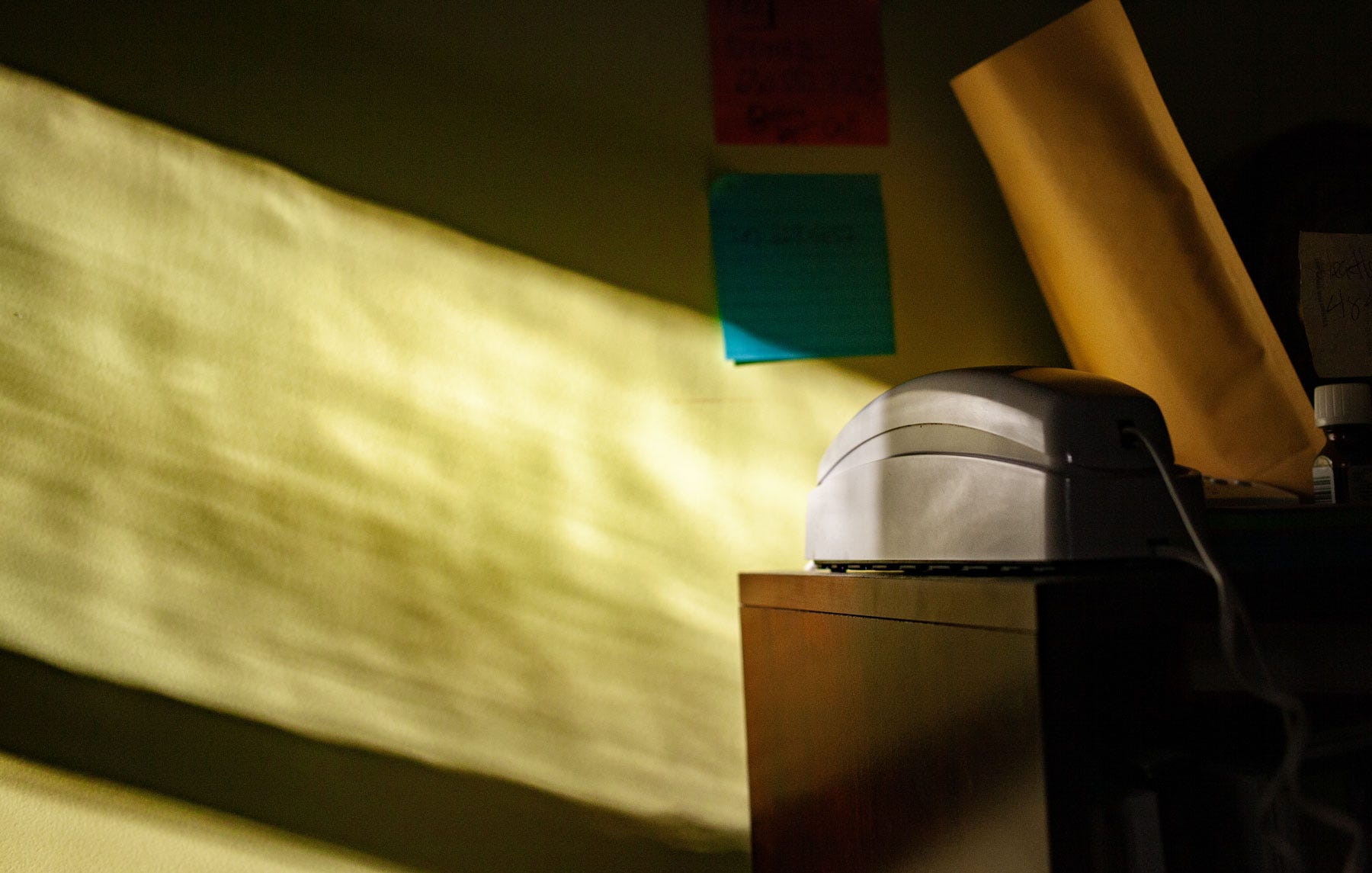
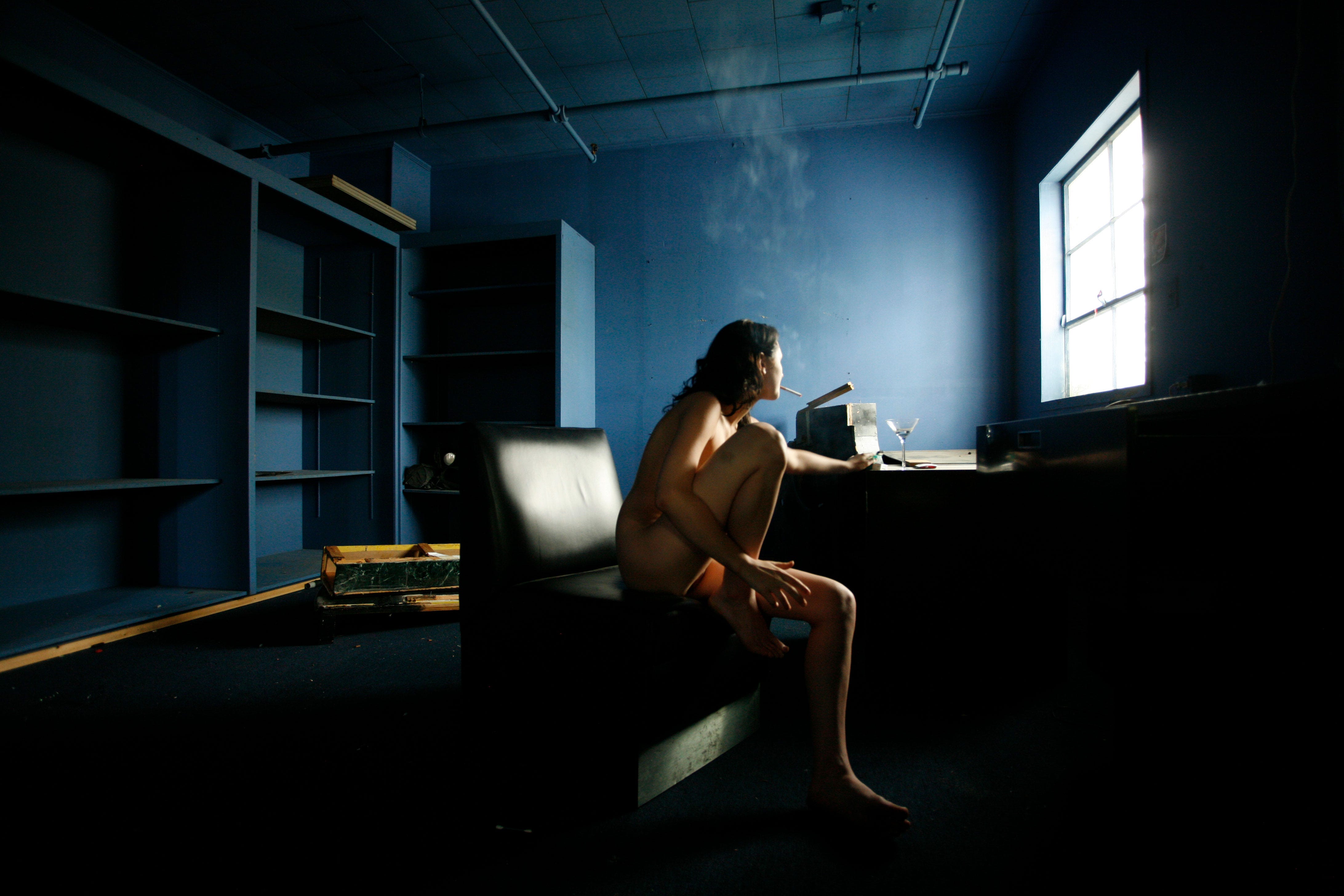
Photos serve as my most easily available diary. They are memory prompts, I think better than writing. The photo above is from the first apartment I lived in after returning from Europe. The light looked beautiful. But then there is the subject matter. That’s an old-fashioned touch-tone Trimline phone, my preferred tool until a client who was a chiropractor forbid me from crunching the phone between my cheek and shoulder. I must have had 20 of those things and recorded hundreds of hours of phone calls with public officials before switching to headphones.
So this picture reminds me of all that. Yet that was not my intent; I just thought the light was beautiful.
I took pictures as a kid. I discovered I understood composition when I got a postcard like shot of Cinderella’s Castle at Disney World that I wish I still had.
I first found my voice as a photographer when I was editing student magazines and student handbooks at SUNY Buffalo. Through those roles I got to know, learn from (and recruit) photo editors. We would report stories together and it was great to work with them; they always got the visual part of the story right.
From them, I learned all the steps of basic black and white darkroom, and could go from the bulk canister to the finished print with no help. Then I figured out that if the magazine needed a picture and nobody was available, I could just go get it. I thought of it as part of being an editor. But that’s not really true. Most editors just edit. Photography in that era for me was a branch of journalism. My press credentials (even for Pacifica Radio) still identify me as a photojournalist.
One thing I noticed was that when I was reporting stories alone, I related to the photographers on-scene more than the other writers (who tend to be competitive with one another). I discovered that are highly observant, they have a lot to say and hardly anyone asks them what they think. They would tell me everything they knew and became handy points of orientation in unfamiliar places.
After losing my Canon A-1 set in a flood in 1999, I had my second entree into photography in Paris starting in 2005. (In hindsight that seems like an awfully long gap, but I’m glad I made it to the other side.)
After seeing a book of Andy Warhol’s Polaroids in a shop in Paris, I knew I had to get back in. By then the digital era had begun and it was no longer necessary to buy film or have a darkroom. This gave me the freedom to experiment. My experience of Paris was that it was impossible to take a bad picture (my girlfriend at the time found this to be an annoying statement). The whole place is lit like a photo studio or movie set, retail is a religion, and France is where photography originated.
In Paris, I roamed the streets taking pictures, like many before me. Around that time Book of Blue started (though my first session was in Montreal), and I was full-on into art and sensuality. By one account, the history of photography is the history of photos of nude women. That’s another story, but I never lost my love of street photography, which included photographing things like student protests.
When I got to Brussels, I was approved for top-tier European Commission credentials and was present for many “VIP Corners” at the Berlaymont (various world leaders trotted out by the E.C. president, then the strikingly photogenic Manuel Barroso). This was purely for sport, like wildlife photography.
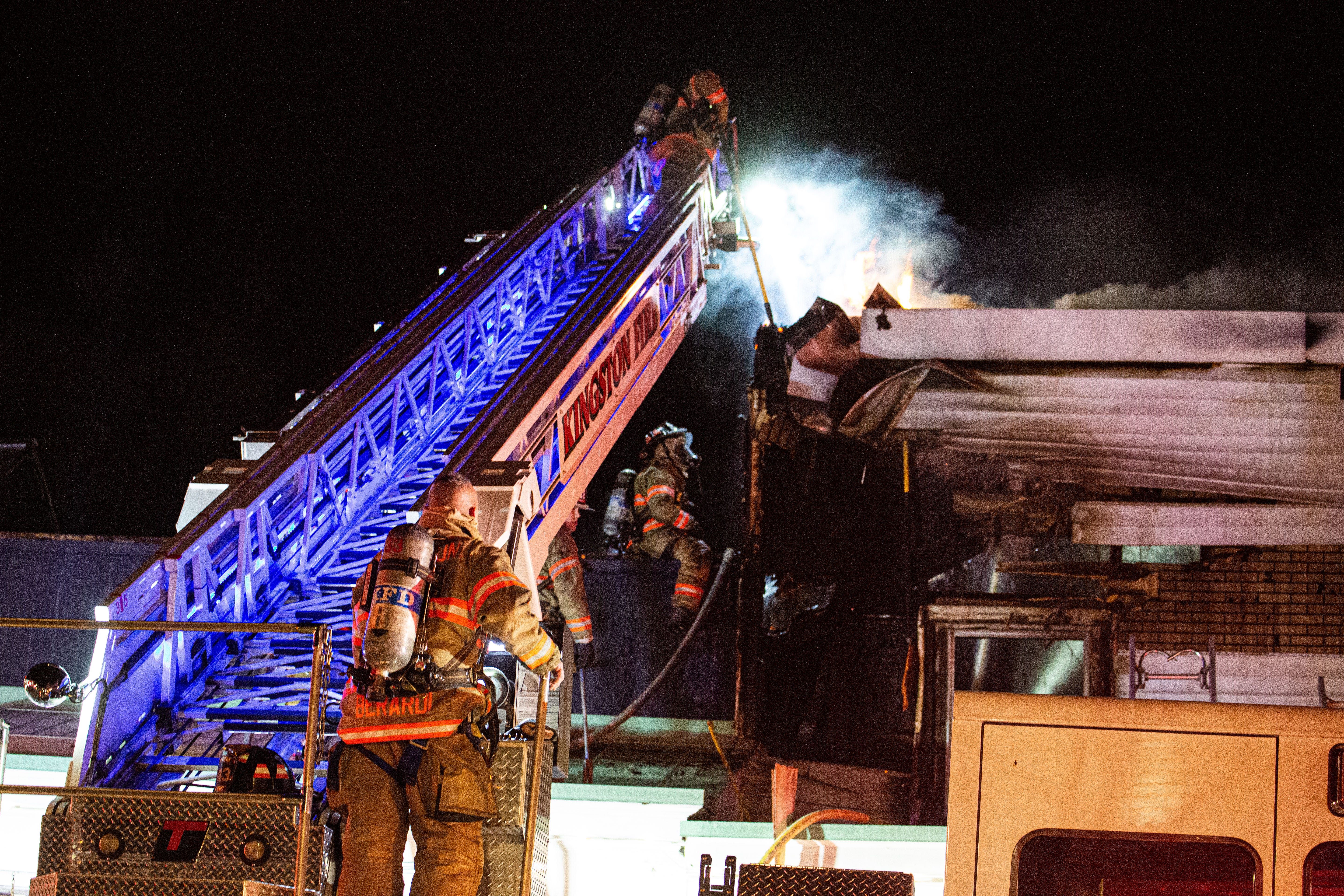
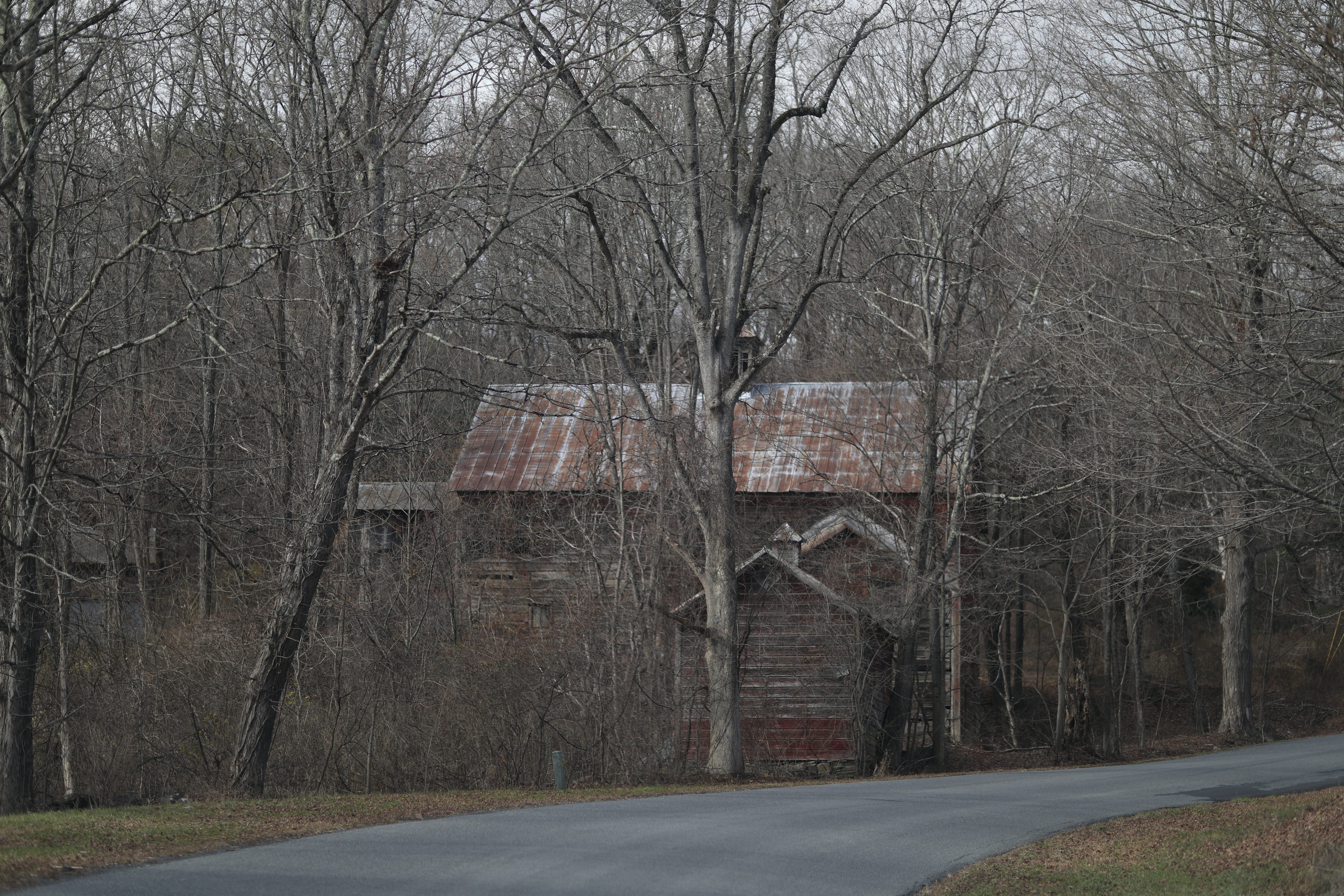
My real love are studio sessions with models (now a thing of the distant past) and street photography. Fires are exciting but that gets old fast, and I prefer to avoid dioxin. That said, I cannot stay away from Love Canal. Forests make their own imagery in abundance. Abandoned barns are interesting and beautiful subjects. As McLuhan said, artists hate the suburbs and love decay.
One interesting thing about my photographic journey is that by some odd coincidence, when I have a girlfriend, she’s a fantastic photographer. Ruth taught me how to hold a camera; Ginger could create the shots I could see in my mind but not get onto film; Maria and I roamed around Germany and the backstreets of the Third Reich; Paloma taught photography at the University of Chicago and filled me in on the early history, edited my Book of Blue photos and was a magnificent, daring model; Dani and I roamed around France and Belgium taking pictures (and photographed each other); Lanvi was an colorist and illusionist as well as an incredible architectural and documentary photographer. Her student-intern era series of the offices of senators and congressmen in the Capitol Building is breathtaking.
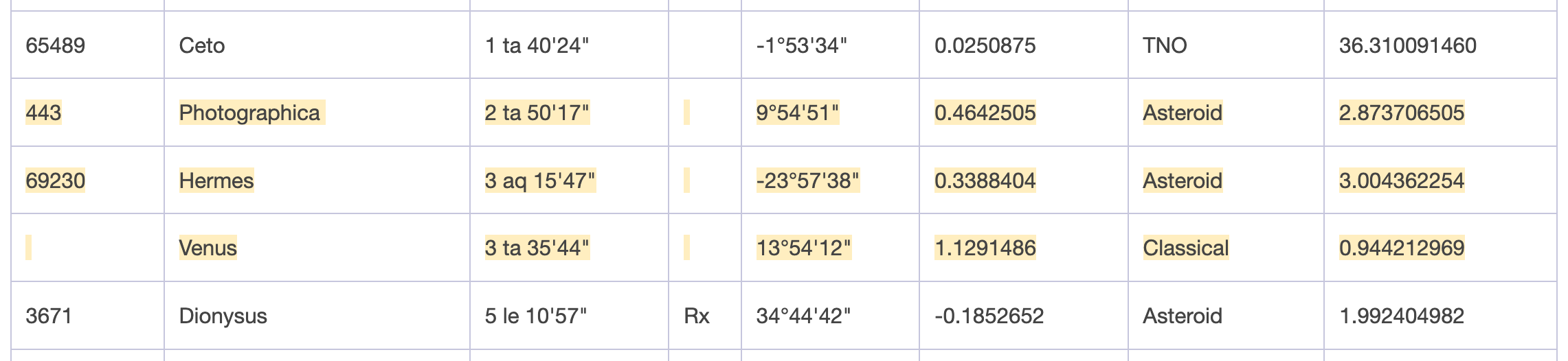
So I have my MFA in photography from Girlfriend University. Among other things, this fact is an expression of having Venus conjunct asteroid Photographica in Taurus in the 11th house. That means exactly what I just said in the paragraphs above, and it also translates to Book of Blue.
Through my long friendship with Charlie Lemay (1950-2025), I learned how to be entirely unconcerned with subject matter and to emphasize light and form. Take a look at his photos and you will see what I mean. Charlie got me out of my short-glass (wide angle) habit that was very much the dominant photography style on the student press scene at SUNY Buffalo in the late ‘70s and early ‘80s. All those people were fantastic short-glass photographers and after them, I shot untold thousands of pictures at 16mm.
Charlie liked medium-format and to get ultra-close and right into whatever he was looking at. I deliberately let him influence me and change my approach.
All that said, I just like doing taking pictures — and the lack of effort required. By that I mean I can see a picture in the world or in my mind and then I can create it, and thanks to digital, I can have the results fast. I never lost the sensibility that film photography trains — a kind of extreme care about composition and light. Said another way, seeing the subject and making the translation of what’s going to happen as this picture goes through the stages of production and publication.
Most of what I do takes a lot of effort. Writing is research, thinking, writing, editing, rethinking and rewriting. Photography just seems to happen. I love having one thing that’s easy.
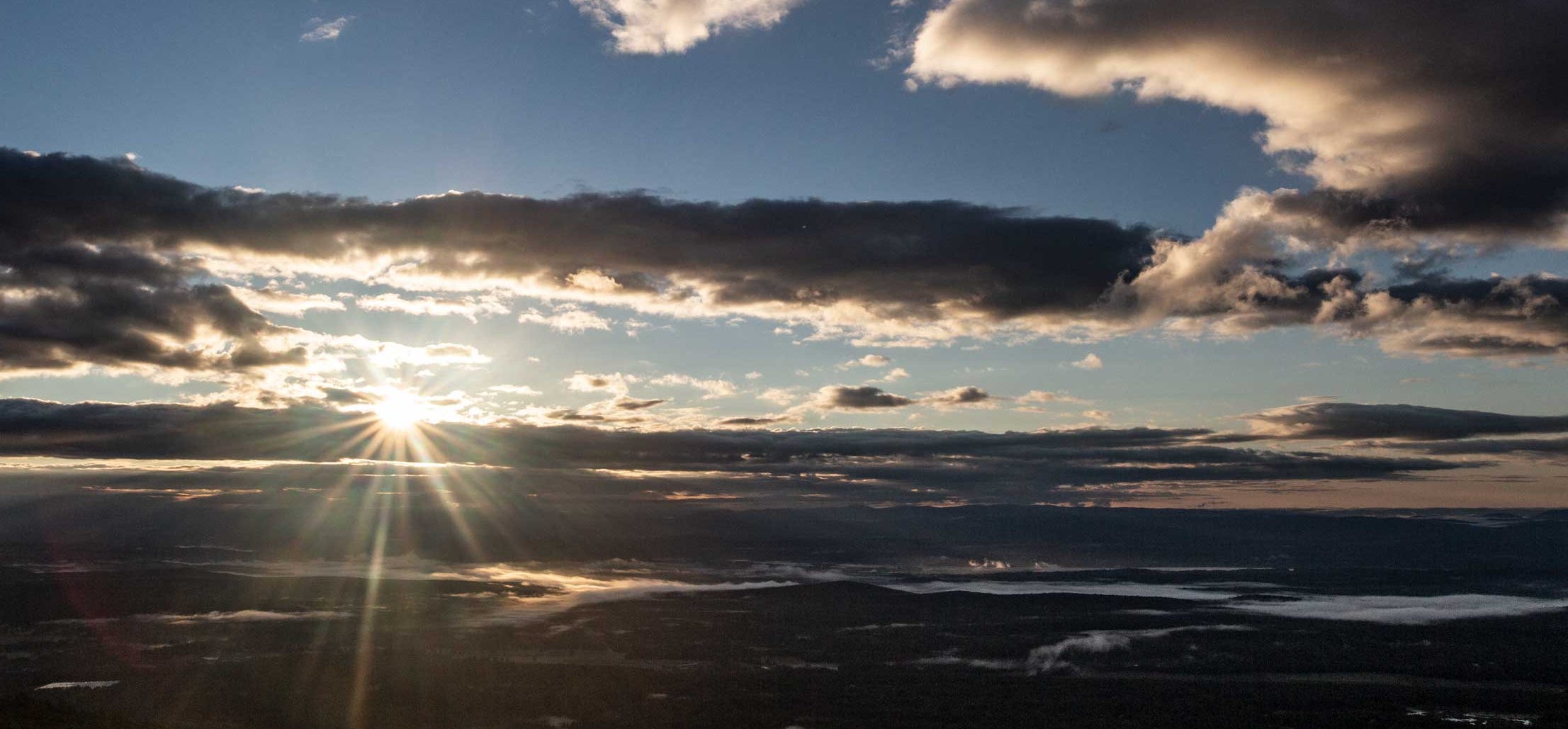
And once you have a few clues, your iPhone can start to seem more like a camera that does other things rather than a phone with a camera. It will do at least half of what a professional setup will do — and that’s a lot. Forget the subject matter — go for the light. Photo (light) Graph (picture). The medium is the message. The message is light.
Everyone knows that earning an MFA from the International Girlfriend University is the most prestigious and the absolute coolest degree one can have.
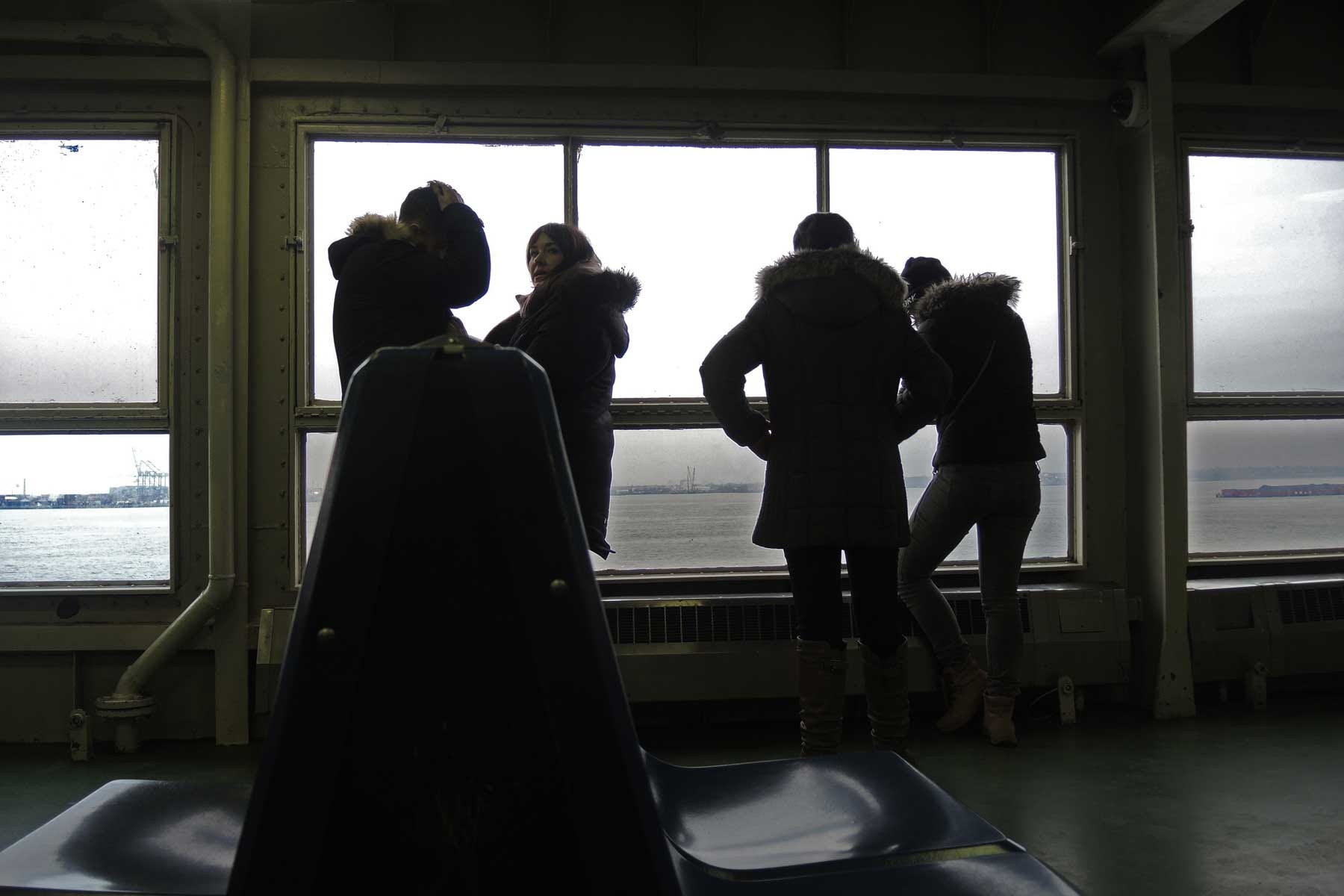
Love the Staten Island Ferry pic. Impossible to tell the year. Timeless.
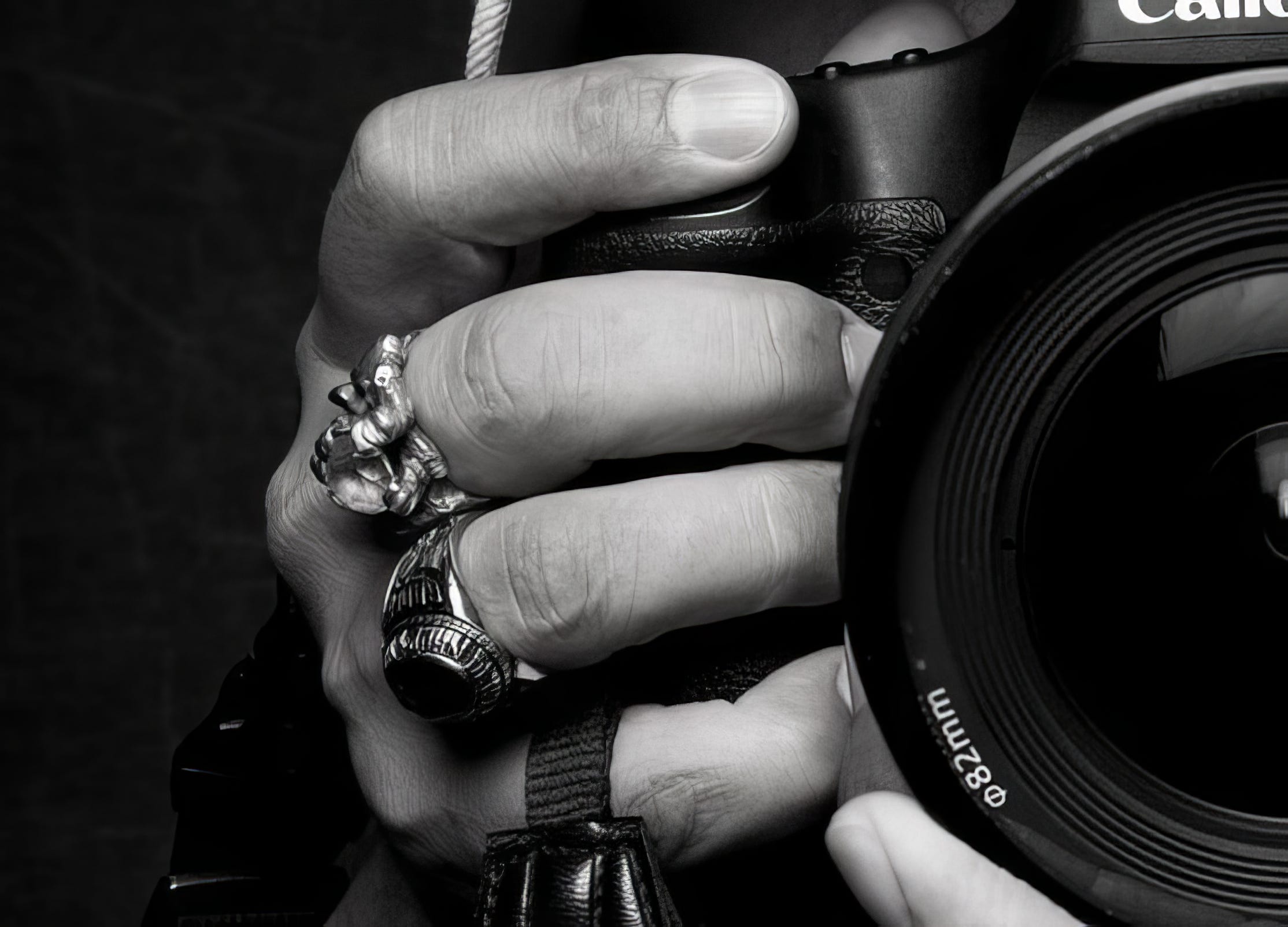
Love the shot of the camera with your hand